One system connected the store and delivery work
A custom e-commerce and operations platform for Blomma, a gift and flower shop in Kuwait.
- Role
- Project Manager
- Team
- Nasir NawazHimanshu Sharma
- Tools
- Bubble, Xano, Shopify, Figma
Overview
A store and an operations system built around the same order
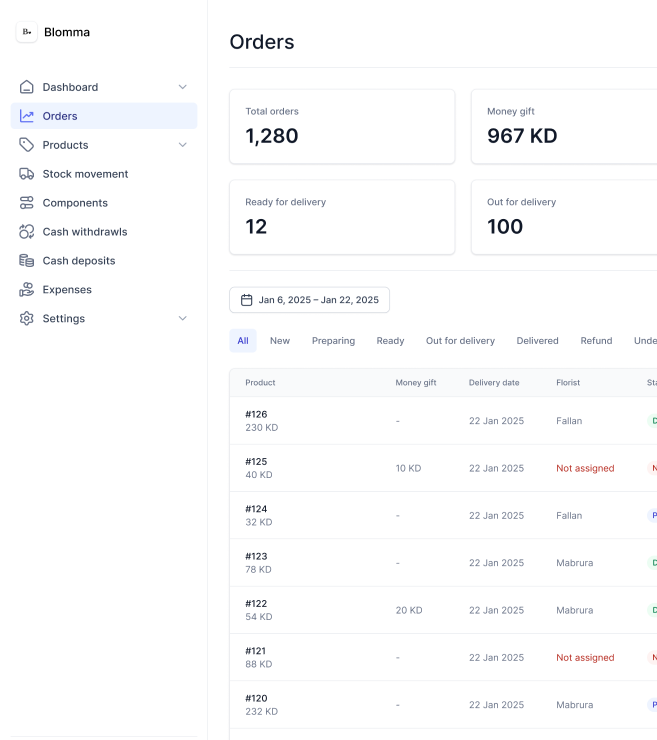
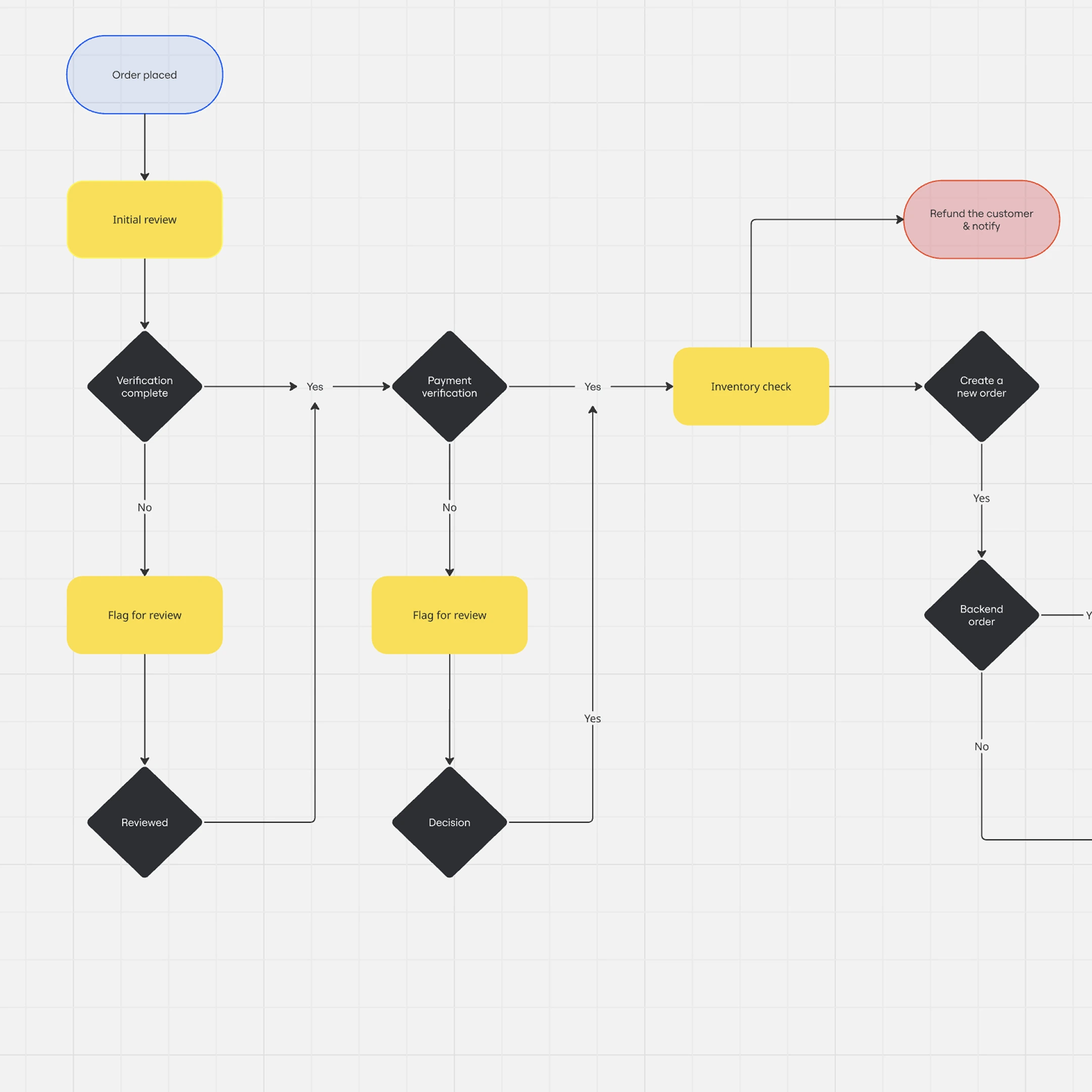
Blomma sold gifts and flowers through Shopify. Staff used WhatsApp, spreadsheets, and other tools to coordinate orders, stock, shipping, payroll, and accounts. As Project Manager, I worked with the team to map the process from a customer order through delivery and decide what to build first.
The work was a team effort. I led project planning and helped design the workflows and screens with the team.
Challenge
Order details were spread across tools
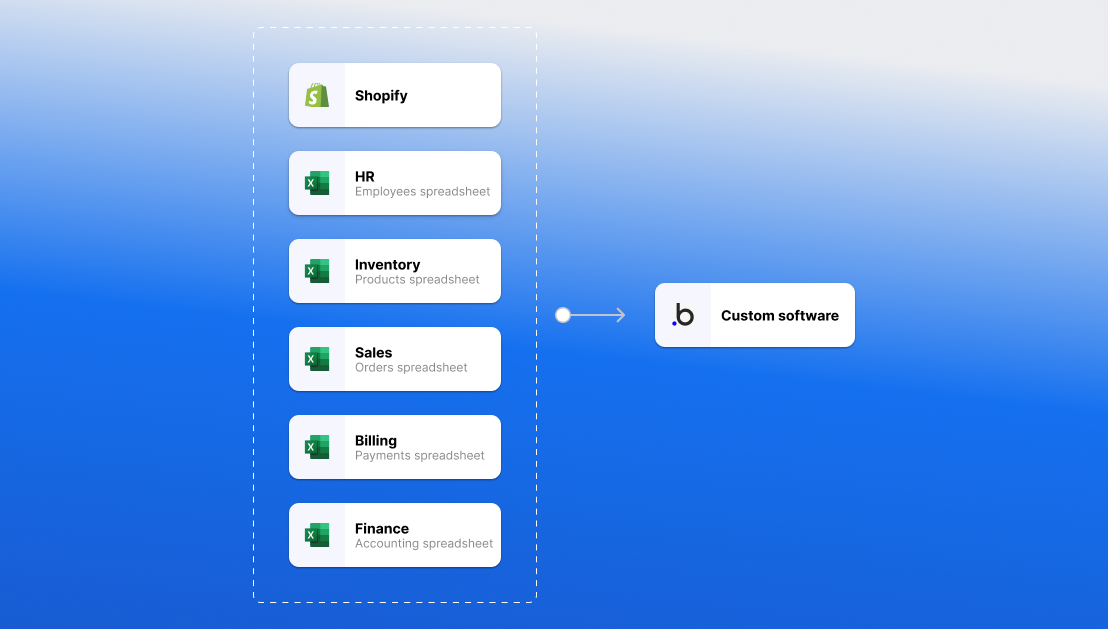
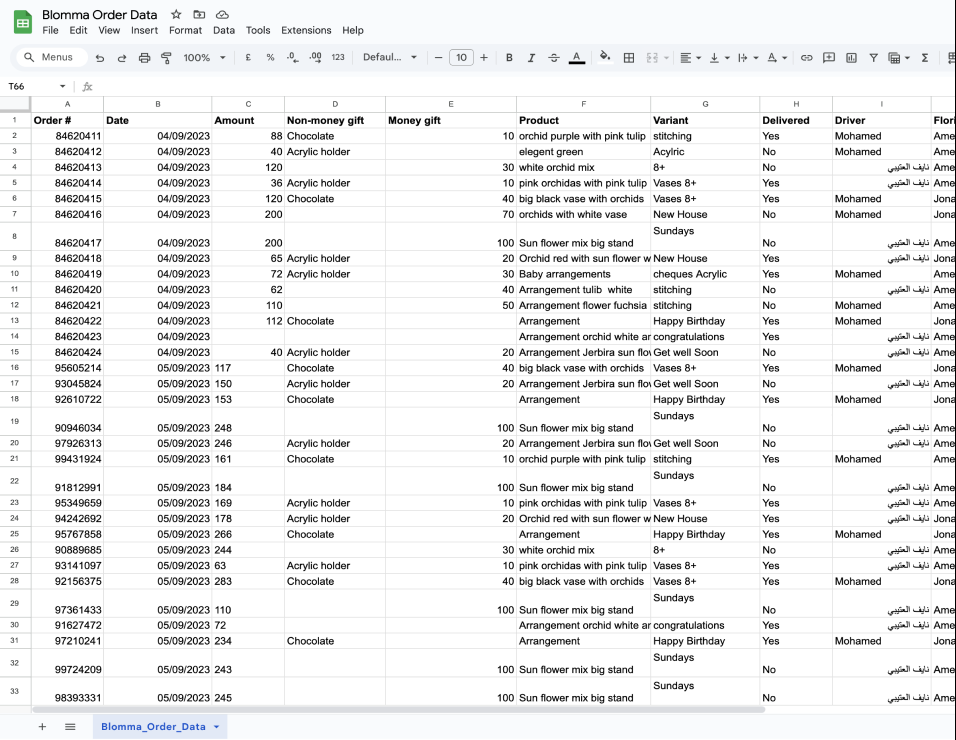
Shopify could not support the custom delivery flow and add-ons the business needed. Staff copied information between spreadsheets and different tools. The finance team spent 44 hours each month reconciling accounts.
Keeping Shopify and adding a separate operations tool would reduce migration work. But order, inventory, and shipping updates would still need to stay in sync across two systems.
Approach
Move in phases, then connect the work
We first built the operations platform and connected it to Shopify. Order information moved into a shared backend, while stock updates went to both systems. After the two-way sync worked, we moved the storefront to the custom platform.
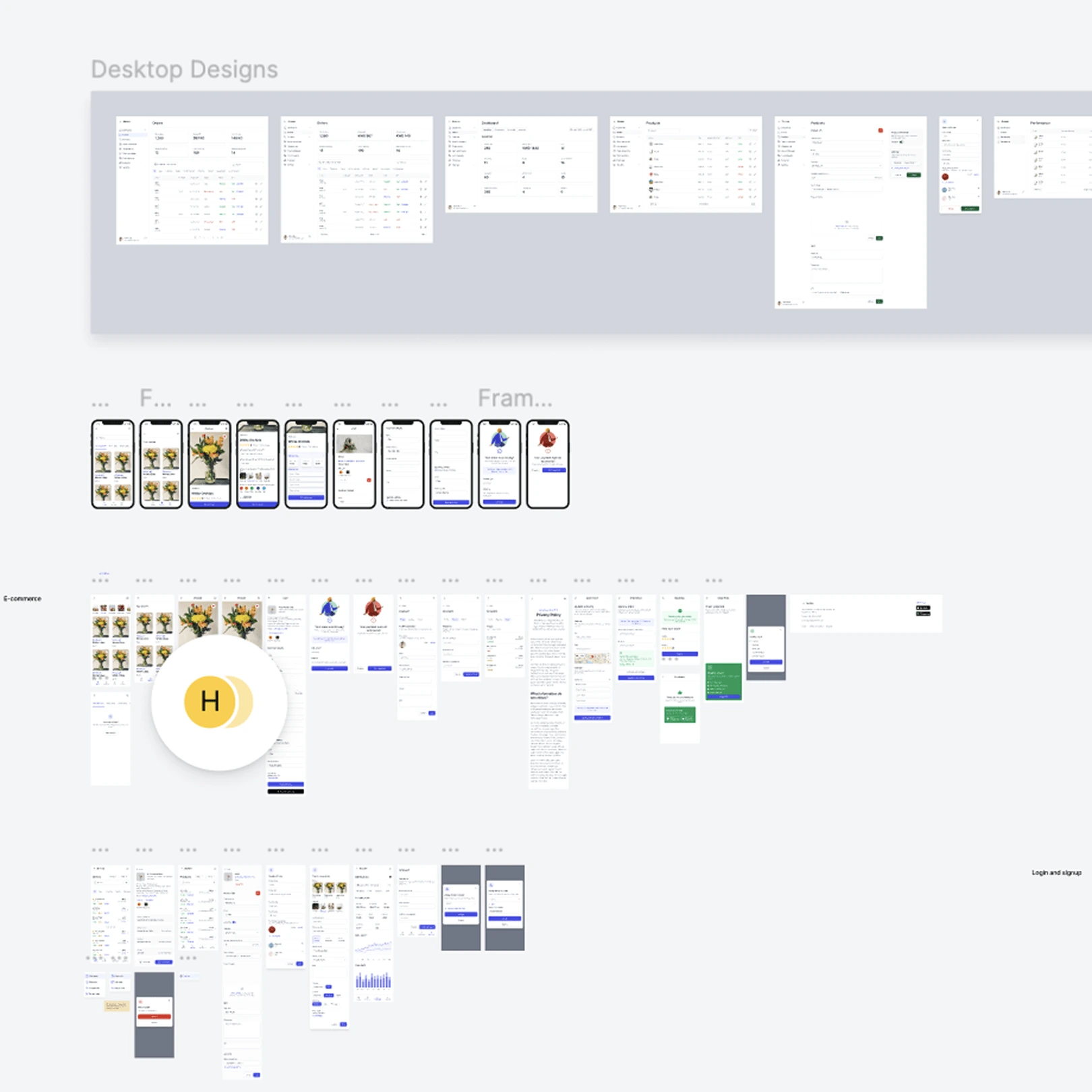
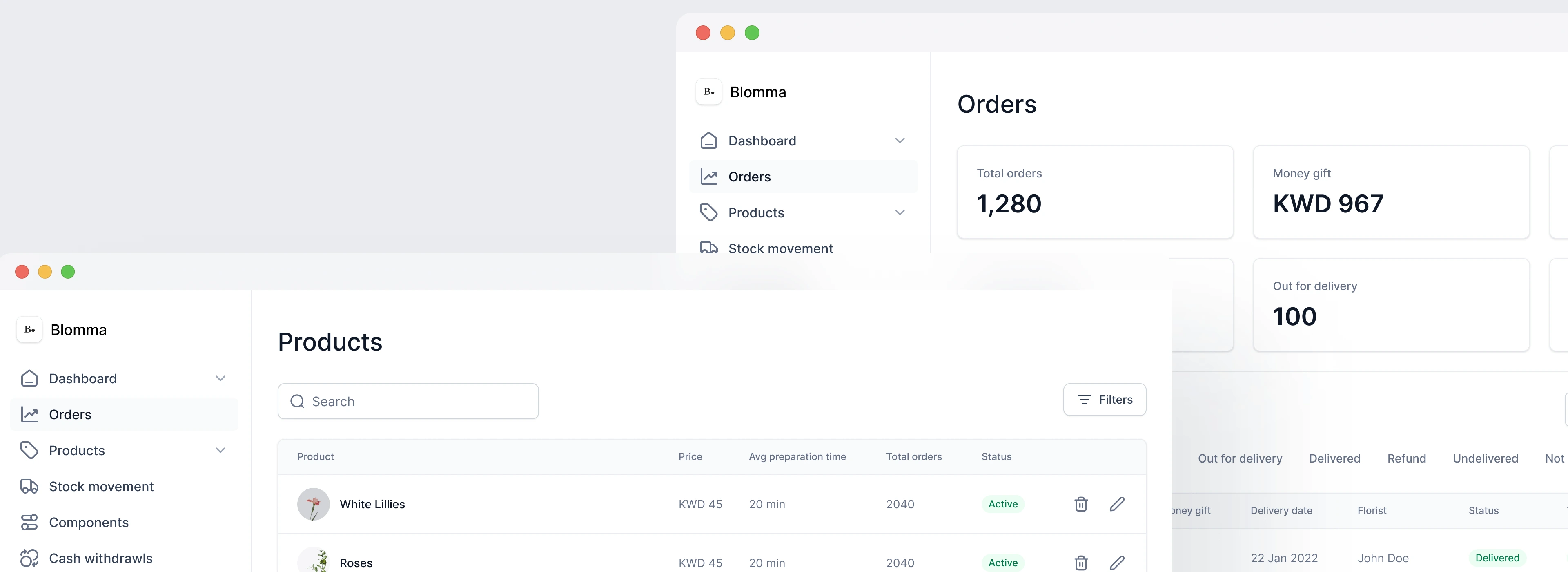
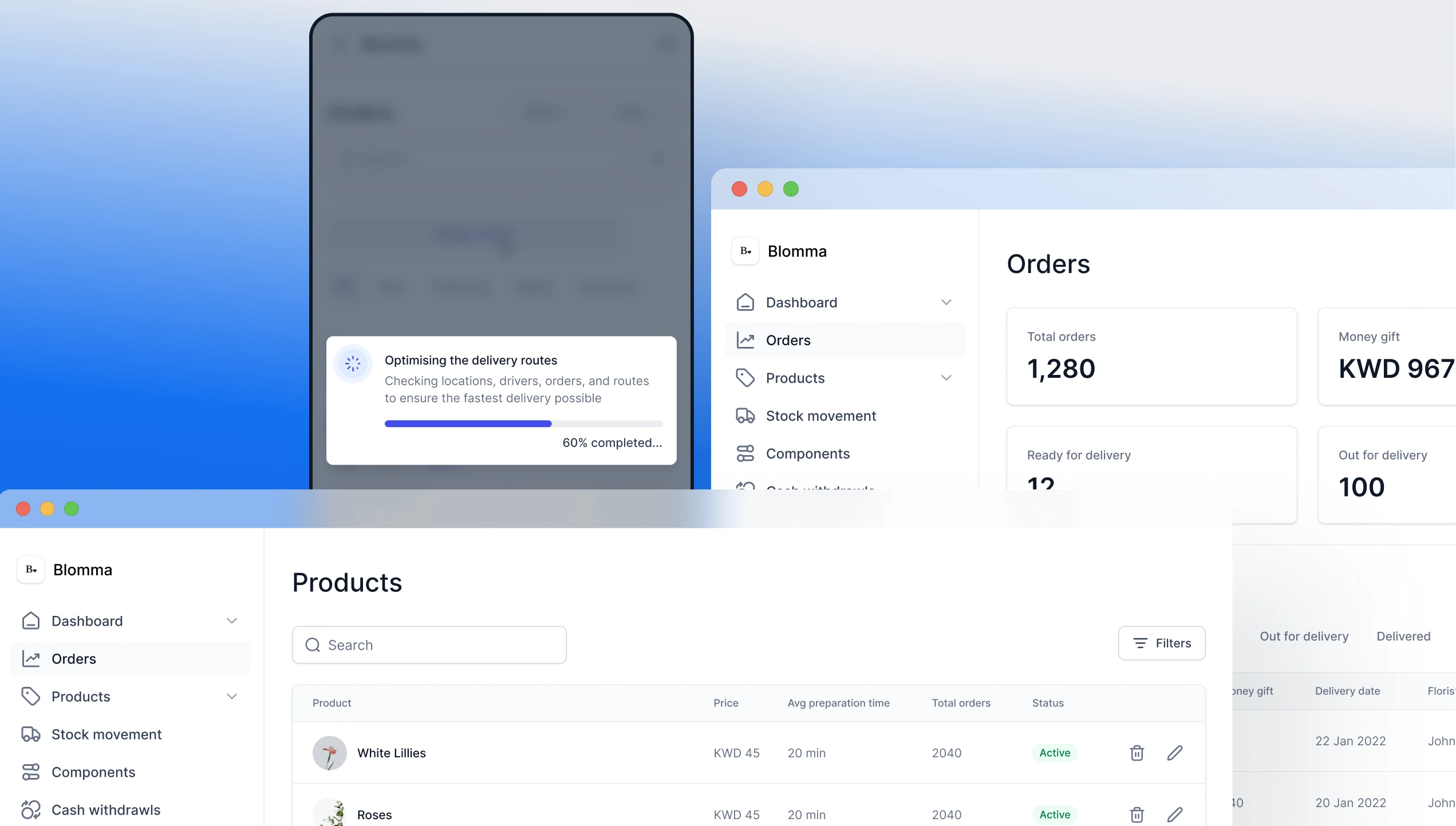
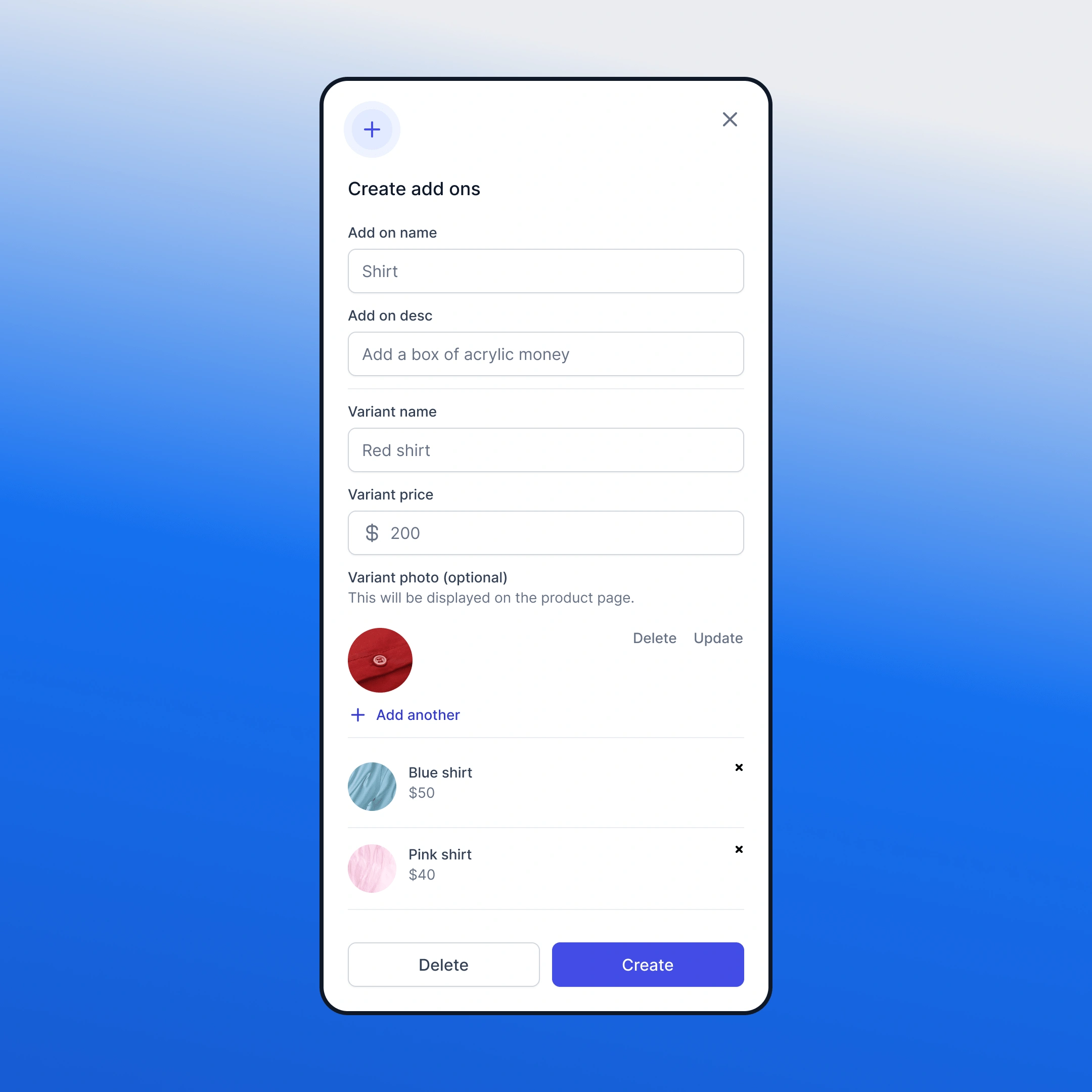
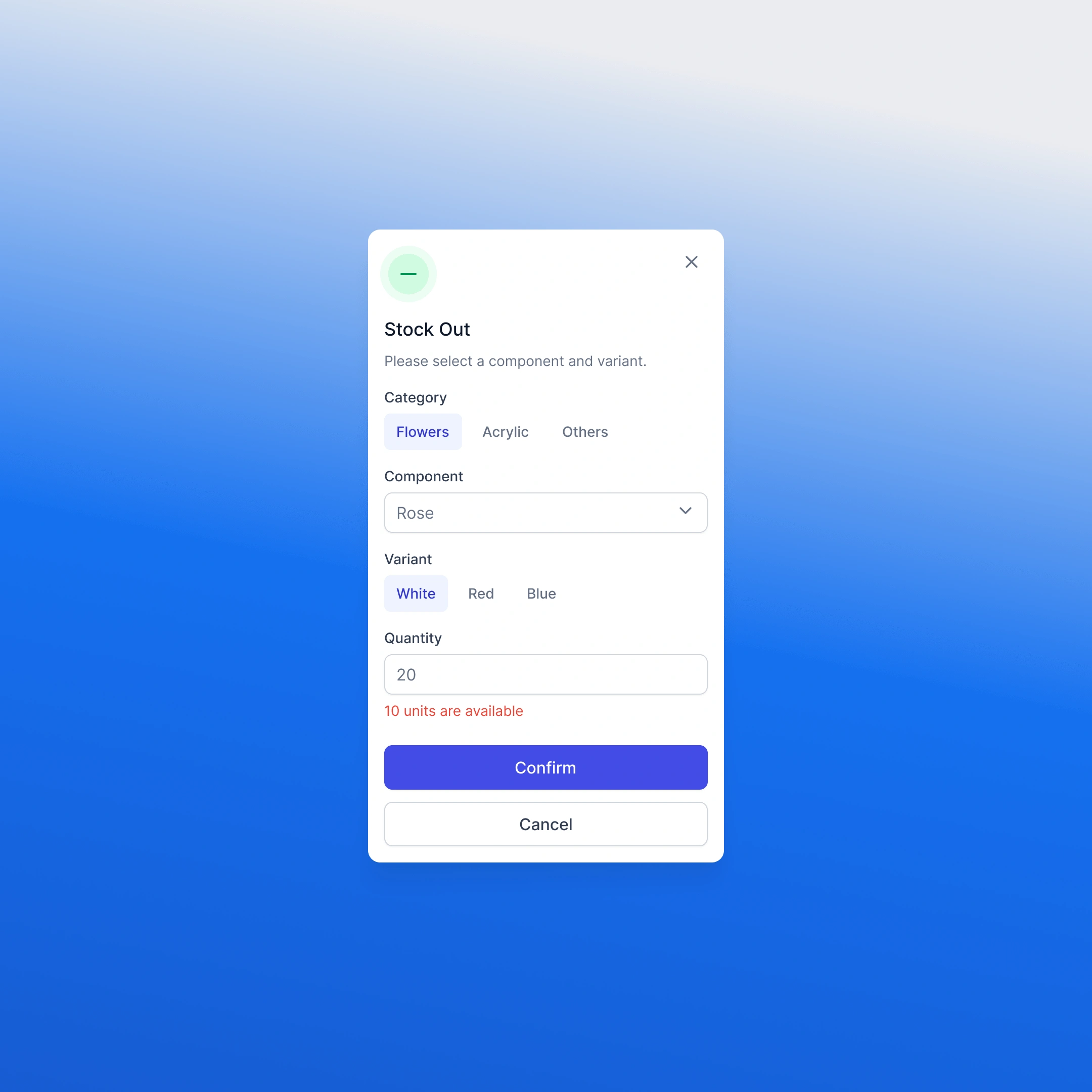
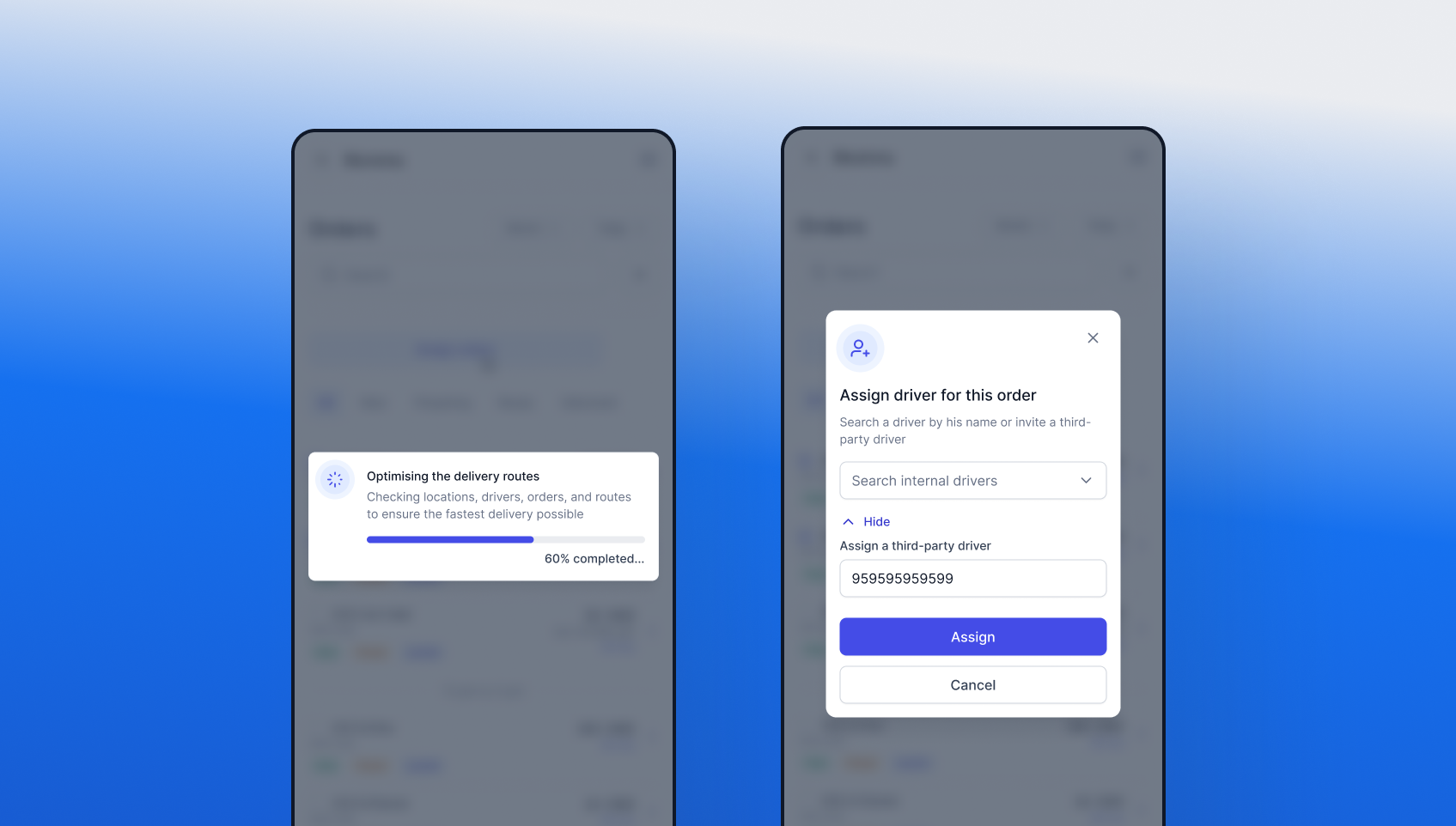
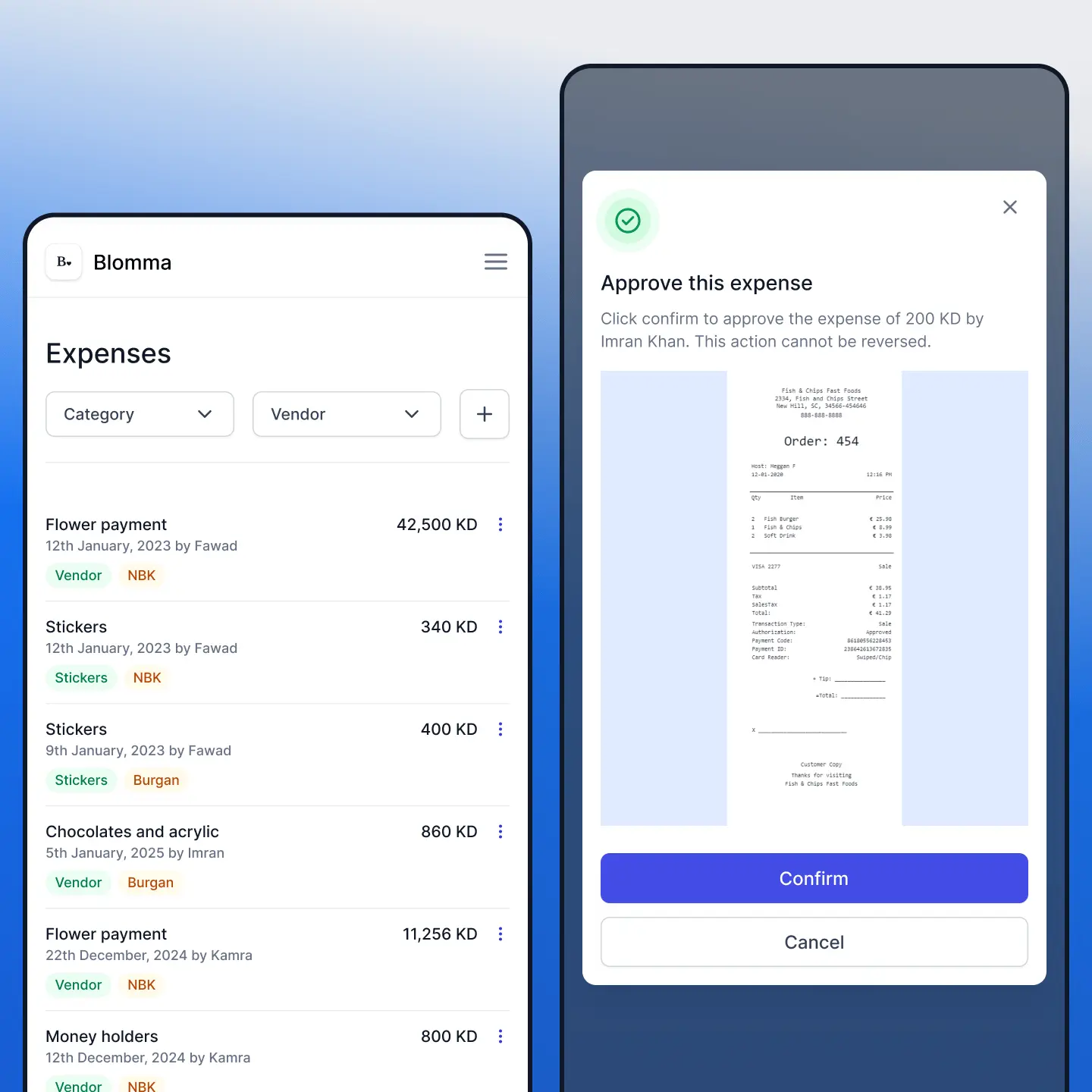
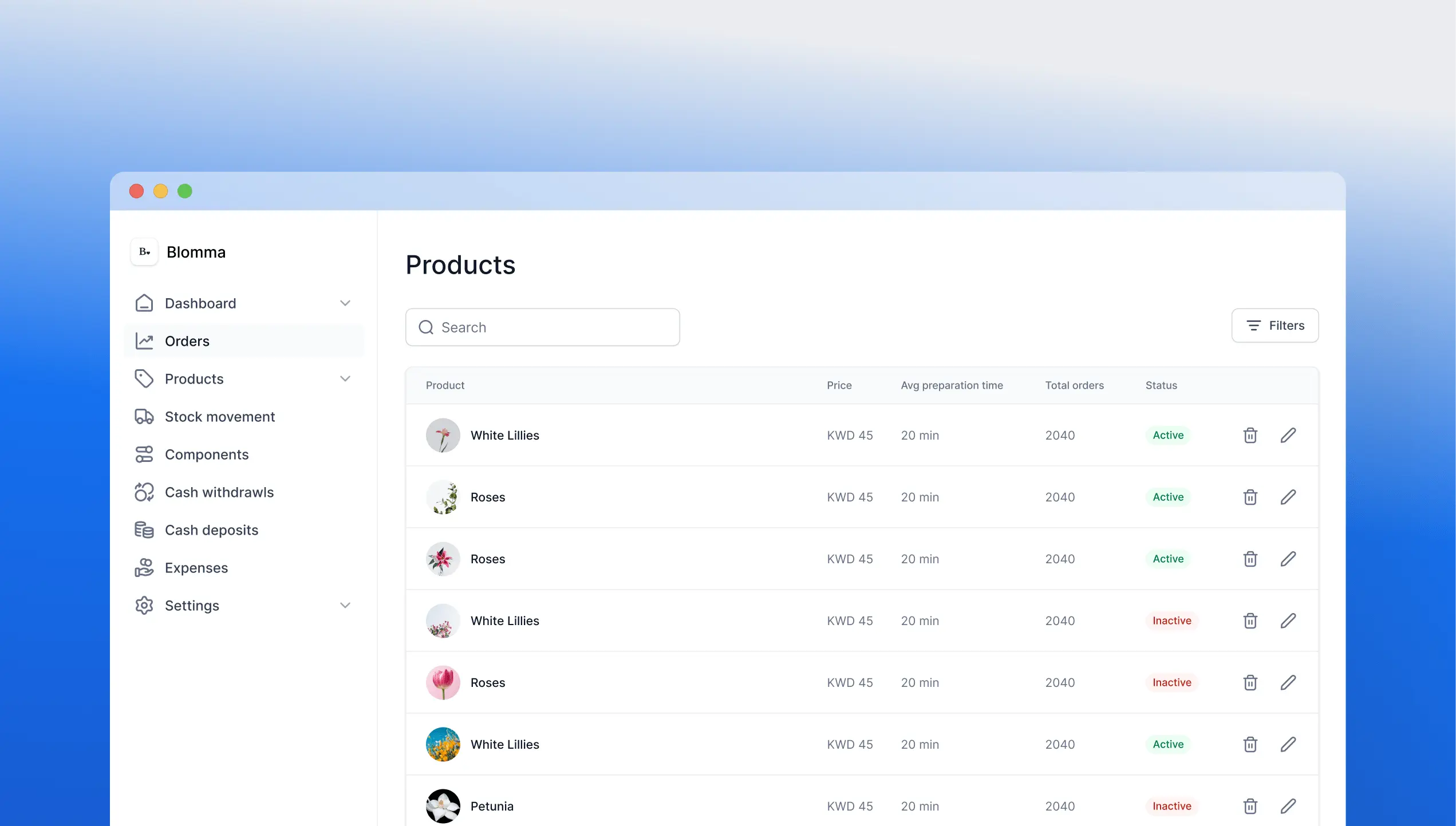
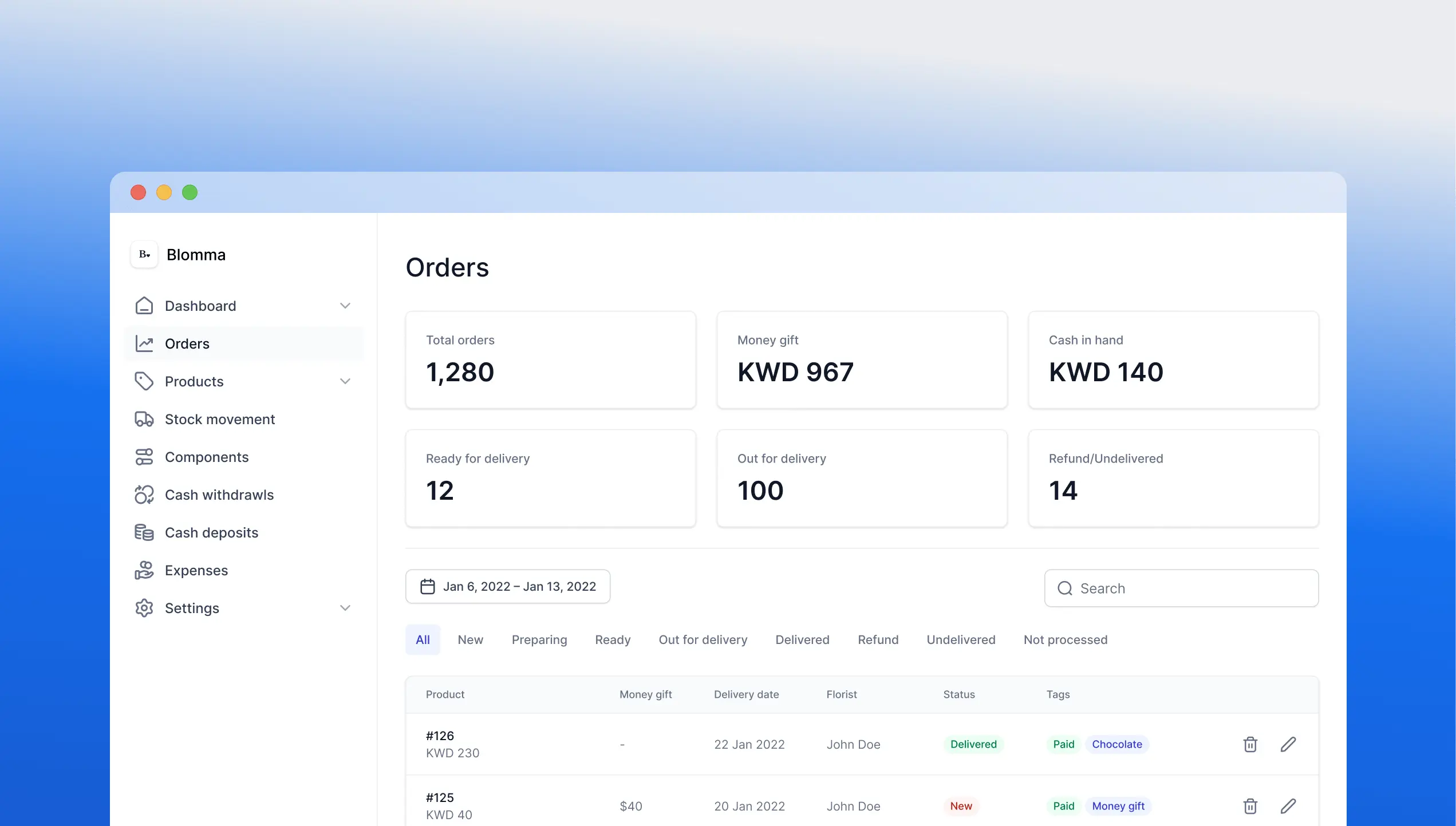
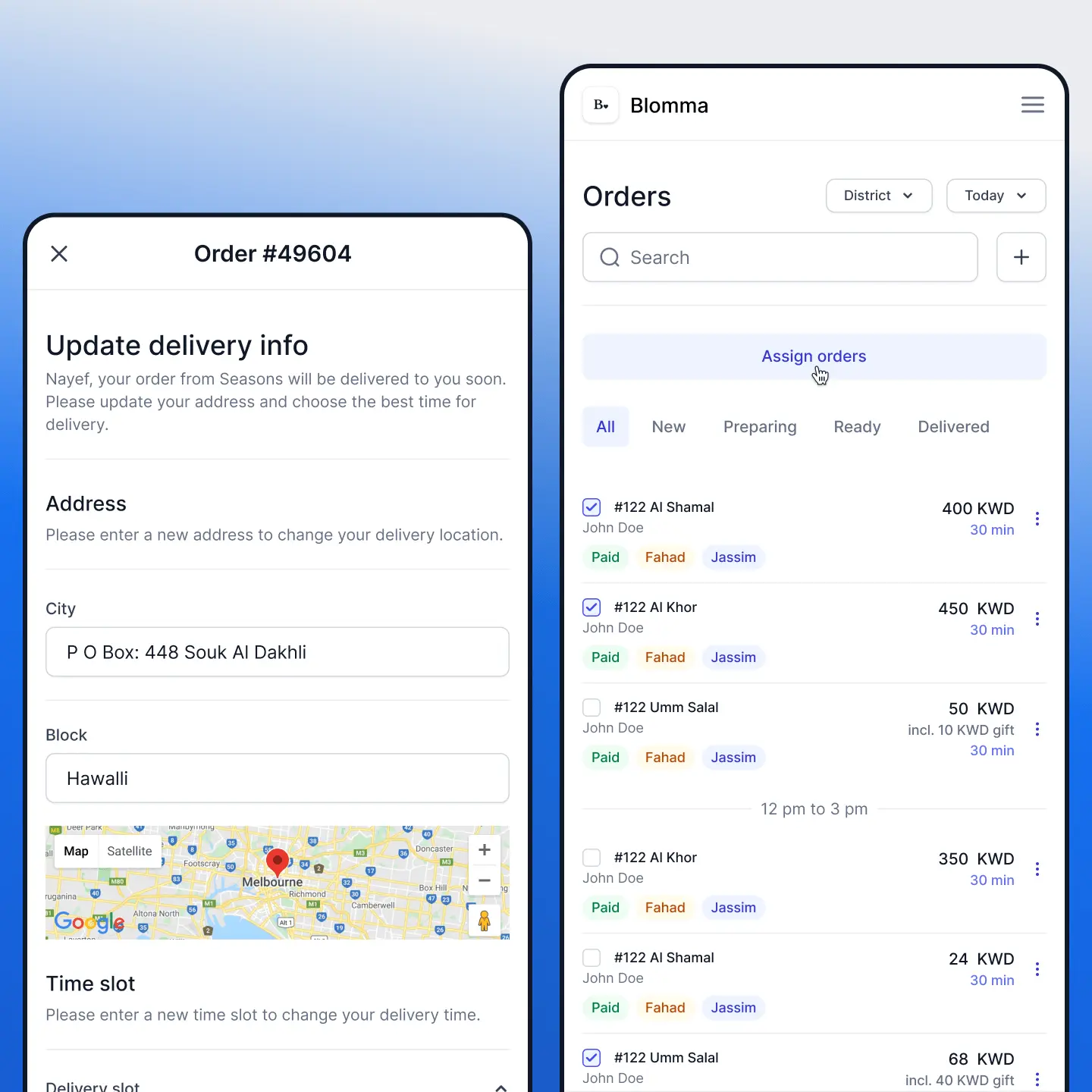
The new storefront let customers choose several add-ons and preview a custom greeting card. Staff could check stock before promising an item. On the operations side, staff could assign orders, plan driver routes, manage inventory and payroll, and view reports. They could also see driver locations and choose a nearby driver for an urgent delivery.
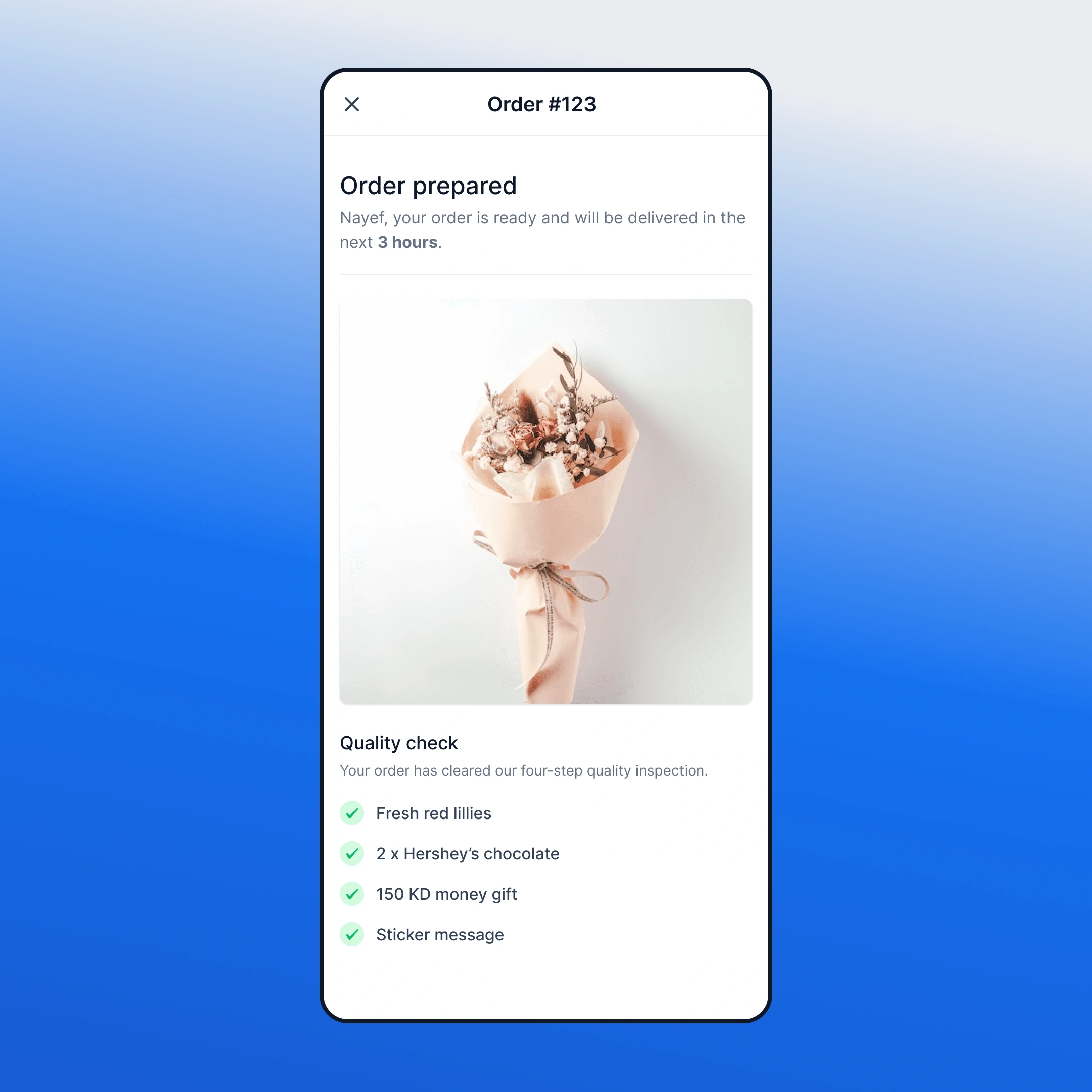
The team also added support for gig drivers during busy delivery periods. The custom delivery flow made same-day delivery possible.
Result
Reconciliation fell from 44 hours to 2
After the migration, month-end reconciliation took 2 hours instead of 44. Staff still reviewed the records and handled exceptions, but they no longer had to match data across separate spreadsheets and tools.
Orders, inventory, finance, shipping, and customer requests could be managed in one platform. The work also removed the need for six separate tools and manual data entry.
Reflection
Sequence the migration around shared data
Building the operations system first let the team improve internal work before moving the storefront. The shared order and inventory data made the later migration useful across customer service, delivery, and finance.